
Mallorca Planer · Independent travel guide
Lesser-known places in Mallorca: where it is quieter
Nothing in Mallorca is secret any more, and every one of these places is on maps and in guidebooks. There are corners, though, that are much less busy than the well-known sights.
Photo: Malopez 21, CC BY-SA 4.0, Wikimedia Commons
Updated on 2/10/2026
In short
There are hardly any real secrets left in Mallorca, but there are quieter places. They include the Ermita de Betlem and Colònia de Sant Pere in the north-east, the villages of Banyalbufar, Estellencs and Orient in the Serra de Tramuntana, Petra and Puig de Randa in the centre, and the archaeological sites of Capocorb Vell and Ses Païsses. The time of day often matters more than the place.
Key points
- The Ermita de Betlem is about nine kilometres north-west of Artà at around 280 metres and was founded in 1805.
- Orient is a hamlet in the municipality of Bunyola at 480 to 500 metres, in an enclosed valley.
- Puig de Randa is 542 metres high and has the Santuari de Cura on its summit.
- The public estate of Son Real near Can Picafort covers 395 hectares and reaches down to the sea.
- The Llevant peninsula natural park was enlarged in 2023 to just over 17,000 hectares of land.
What lesser-known means here
No undiscovered places are promised here. Every destination on this page is on any map and in any good guidebook. The difference is that they lie off the main routes between the airport, the beach and the best-known sights.
Two things count for more than the choice of place. The first is the time of day: coming early in the morning or in the late afternoon is worth a try. The second is the month: the tourist tax defines 1 November to 30 April as low season. The well-known places are under things to see.
The north-east around Artà
The municipality of Artà has large uninhabited areas. More than half of it is taken up by the Artà massif.
- Ermita de Betlem: a hermitage about nine kilometres north-west of Artà, at around 280 metres. It was founded on 29 July 1805. An avenue of cypresses about 150 metres long leads to the chapel.
- Colònia de Sant Pere: a small, quiet coastal village on the Bay of Alcúdia that belongs to Artà. It began in the 19th century as a settlement of farmers and fishermen.
- Ses Païsses: a Talayotic settlement about 400 metres south-east of the edge of Artà, one of the best preserved remains of the megalithic culture of the Balearic Islands.
- Llevant peninsula natural park: founded in 2001 and enlarged in 2023 to just over 17,000 hectares of land and about 5,300 hectares of sea.
More on the area is under east coast.
Quieter villages in the Serra de Tramuntana
Everyone knows Valldemossa, Deià and Sóller. These places in the Serra de Tramuntana are quieter:
- Banyalbufar: a village above the west coast whose terraces were once given over almost entirely to Malvasia wine. Outside the village the Torre de ses Animes watchtower stands above the sea.
- Estellencs: the neighbouring village, between Puig de Galatzó (1,026 metres) and the sea.
- Orient: a hamlet in the municipality of Bunyola at 480 to 500 metres, in an enclosed valley between limestone ridges.
- Castell d'Alaró: the ruins of a rock castle at 817 metres, about three kilometres north of the small town of Alaró.
- Raixa: an estate of 52 hectares with gardens near Bunyola, bought by the island council in 2002 and opened after a long restoration. Since 2021 it has served as the visitor centre for the Serra de Tramuntana World Heritage Site.
- Cala Tuent: a cove of pebbles and stones 180 metres long below Puig Major, in the municipality of Escorca.
Ideas for routes on foot are under hiking.
The centre of the island
The flat centre lies off the beach routes.
- Petra: the birthplace of Junípero Serra (1713 to 1784), the Franciscan who founded the first nine Spanish missions in California.
- Puig de Randa: a free-standing hill 542 metres high between Algaida and Llucmajor. On the summit is the Santuari de Cura, which tradition traces back to the scholar Ramon Llull. Two more monasteries stand on the slope.
- Santuari de Sant Salvador: a sanctuary on Puig de Sant Salvador, 509 metres high, near Felanitx. The winding road up has several viewpoints.
Which villages make a good stop is covered under towns and villages.
Archaeological sites and an estate by the sea
- Capocorb Vell: a Talayotic settlement about twelve kilometres from Llucmajor, one of the most thoroughly excavated in the Balearic Islands.
- Son Real: a public estate of 395 hectares in the municipality of Santa Margalida, bought by the Balearic government in 2002. From the Son Bauló district of Can Picafort the coastal path leads to the necropolises of Son Real right by the sea.
- Portocolom: the harbour village of Felanitx, on one of the few natural harbours on the island, about 60 hectares in size.
You will find every point on the map.
How to keep it quiet
- Come early or late, not between eleven and four.
- Park only in marked areas. Space is tight in small villages and at natural beaches.
- Take water with you. Many of these places have no shop.
- Stay on the paths in protected areas and take your rubbish away.
- Opening times of estates and archaeological sites change. Check them with the operator before you set off.
Frequently asked questions
Are there still any real secret spots in Mallorca?
There are practically no undiscovered places left in Mallorca. There are places, though, that are far less busy than Valldemossa or the famous beaches, such as the Ermita de Betlem near Artà, the village of Orient or the site of Capocorb Vell. Time of day and month often matter more than the place.
Which places in Mallorca are less crowded?
The quieter areas are above all the north-east around Artà and Colònia de Sant Pere, small villages in the Serra de Tramuntana such as Banyalbufar, Estellencs and Orient, and the centre of the island with Petra and Puig de Randa. All of them lie off the routes between airport, beach and main sights.
Where is the Ermita de Betlem in Mallorca?
The Ermita de Betlem is in the north-east of Mallorca, about nine kilometres north-west of the town of Artà, at around 280 metres in the Artà massif. The hermitage was founded on 29 July 1805. An avenue of cypresses about 150 metres long leads to the chapel.
Which quiet villages are there in the Serra de Tramuntana in Mallorca?
Quieter than Valldemossa or Deià are Banyalbufar with its terraces above the west coast, the neighbouring village of Estellencs at the foot of Puig de Galatzó, and the hamlet of Orient, which lies at 480 to 500 metres in an enclosed valley in the municipality of Bunyola.
When is Mallorca at its quietest?
Mallorca is quietest outside the summer months. The tourist tax defines low season as 1 November to 30 April. According to AEMET, Palma reaches a mean 19.2 °C in April and 23.7 °C in October, both good months for outings without the crowds of July and August.
Which archaeological sites can you visit in Mallorca?
The best-known sites of the Talayotic culture include Capocorb Vell, about twelve kilometres from Llucmajor, and Ses Païsses on the edge of Artà. On the north coast are the necropolises of Son Real, on a public estate near Can Picafort. Next to Alcúdia are the remains of the Roman town of Pollentia.
Do you need a car for the quieter corners of Mallorca?
Not for all of them. According to TIB, bus line 202 runs from Palma to Banyalbufar and Estellencs, line 331 from Alaró to Orient and line 421 from Artà to Colònia de Sant Pere. Petra and Sineu have a railway stop on the line to Manacor. For hermitages and archaeological sites away from the stops, a hire car is the simplest solution. Timetables are on the TIB website.
Sources
- Wikipedia (de): Ermita de Betlem, checked on 2/10/2026
- Wikipedia (de): Artà, checked on 2/10/2026
- Wikipedia (en): Colònia de Sant Pere, checked on 2/10/2026
- Wikipedia (de): Ses Païsses, checked on 2/10/2026
- Wikipedia (es): Parque natural de la Península de Levante, checked on 2/10/2026
- Wikipedia (en): Banyalbufar, checked on 2/10/2026
- Wikipedia (en): Estellencs, checked on 2/10/2026
- Viquipèdia (ca): Orient (Bunyola), checked on 2/10/2026
- Wikipedia (de): Castell d’Alaró, checked on 2/10/2026
- Wikipedia (de): Raixa, checked on 2/10/2026
- Wikipedia (en): Cala Tuent, checked on 2/10/2026
- Wikipedia (en): Petra, Spain, checked on 2/10/2026
- Wikipedia (de): Puig de Randa, checked on 2/10/2026
- Viquipèdia (ca): Santuari de Cura, checked on 2/10/2026
- Wikipedia (de): Santuari de Sant Salvador, checked on 2/10/2026
- Wikipedia (en): Capocorb Vell, checked on 2/10/2026
- Viquipèdia (ca): Son Real, checked on 2/10/2026
- Wikipedia (de): Can Picafort, checked on 2/10/2026
- Viquipèdia (ca): Portocolom, checked on 2/10/2026
- Wikipedia (de): Alcúdia, checked on 2/10/2026
- Wikipedia (de): Sineu, checked on 2/10/2026
- Ley 2/2016 del impuesto sobre estancias turísticas en las Illes Balears, texto consolidado (BOE), checked on 2/10/2026
- AEMET, Valores climatológicos normales: Palma, Puerto (1981-2010), checked on 2/10/2026
- TIB, Transports de les Illes Balears: líneas y horarios de autobús, checked on 2/10/2026
Written and maintained by the Mallorca Planer editorial team. Independent travel guide, not an official body and not a travel agency.
Bookable
Activities that fit
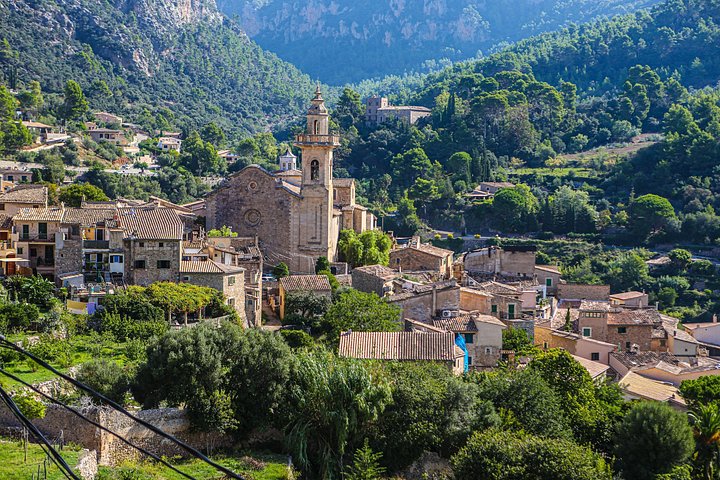
Valldemosa and Valley of Soller Tour in Mallorca
Full dayfrom49 €
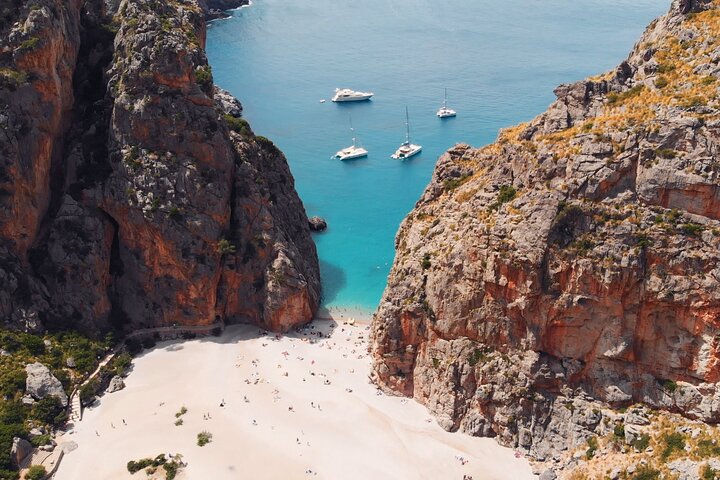
Mallorca Grand Tour by land & sea: Valldemossa, Soller & Calobra
Full dayfrom82 €
Prices are indicative from prices set by each provider. Booking happens on Viator. We earn a commission on bookings made through these links and the price for you stays the same.
Plan
Read next
Things to seeMallorca, still spelled Majorca in some English guides, has far more to show than beaches. This overview sorts the main TownsThe prettiest places in Mallorca are rarely right on the beach. They are stone mountain villages, walled small towns andHikingMallorca is walking country, with waymarked long-distance trails, refuges and short family routes. Every distance and waMapThe map shows where the main towns, beaches and sights in Mallorca are. The text below explains how the island is laid oSerra de TramuntanaThe Serra de Tramuntana runs from south-west to north-east along the north-west coast of Mallorca. Since 2011 its culturEast coastThe east coast of Mallorca runs from Cala Rajada in the north-east to Porto Cristo and is known for its show caves and r