
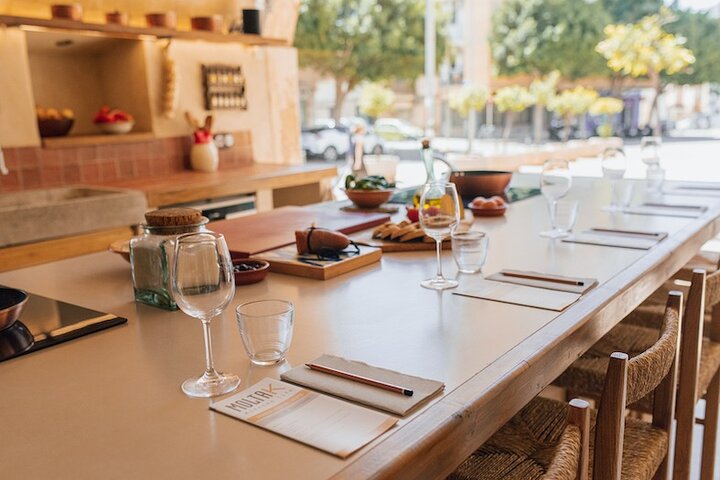
Spanish Cooking Experience in Mallorca
3 hfrom130 €
Mallorca Planer · Independent travel guide
A rainy day in Mallorca is not a lost day. The island has caves, one of the great Gothic cathedrals and enough museums and market halls to fill even two wet days well.
Photo: Javier Pérez Montes, CC BY-SA 4.0, Wikimedia Commons
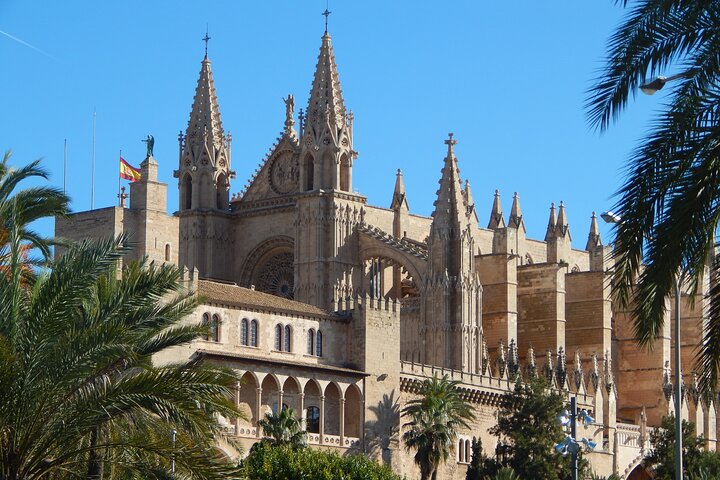
There is plenty to do in Mallorca when it rains: the caves near Porto Cristo, Canyamel and Campanet, and in Palma the cathedral, La Seu, museums such as Es Baluard and the Fundació Miró, and the Mercat de l'Olivar market hall. Even in October, the wettest month, AEMET counts an average of only 6.7 rainy days in Palma.
The AEMET climate normals for Palma show that even in the wet season rain is not a permanent state. In October, the wettest month, an average of 69 mm falls over 6.7 rainy days. In November it is 6.4 days, in December 6.5 and in January 5.8. From June to August it rains on fewer than two days a month on average.
In practice, keep one or two indoor options ready and swap your days according to the forecast. All the months are under best time to visit.
Underground, the weather does not matter. The well-known show caves in Mallorca include these four:
On rainy days many people have the same idea. Come early or book a tour with timed entry under day trips and activities.
Palma is the best place to be when it rains, because everything is close together.
The weekly markets in the villages are held in the open air and have little appeal in the rain. Palma has covered market halls instead. The Mercat de l'Olivar on Plaça de l'Olivar was inaugurated in 1951 and is spread over two floors. The Mercat de Santa Catalina, in the district of the same name, dates from 1920 and mainly sells fruit, vegetables, fish and meat, with bars as well.
The other markets on the island are covered under markets.
On mountain roads in the wet, drive slowly and allow more time.
Heavy rain in Mallorca often falls in a short time. The island's torrents are dry most of the year and then fill quickly. Three rules follow from that:
According to AEMET, in Palma it rains on an average of 6.7 days in October, the wettest month, on 6.4 days in November and on 5.8 days in January. In July it is 0.7 days. The annual total is 449 mm.
Well-known show caves include these four: the Caves of Drach and the Coves dels Hams near Porto Cristo in the east, the Coves d'Artà near Canyamel in the municipality of Capdepera, and the Coves de Campanet in the north. They can get busy on rainy days, so come early.
In Palma the rainy-day sights are close together: the cathedral, La Seu, the Royal Palace of La Almudaina opposite, the Es Baluard art museum, the Museu de Mallorca in the old town and Palau March. Add to that the market halls of Mercat de l'Olivar and Mercat de Santa Catalina.
For modern art, Es Baluard and the Fundació Pilar i Joan Miró with the painter's studio. For history, the Museu de Mallorca in a 16th-century town house. Palau March, an art museum, is also close to the cathedral.
In light rain, easy paths on the coast or in the flat country are possible. In heavy rain or under a warning, postpone mountain routes in the Serra de Tramuntana and stay out of gorges such as the Torrent de Pareis, because the torrents fill quickly.
With children, good choices are Palma Aquarium, one of the caves near Porto Cristo with its underground lake, and the ride on the historic train from Palma to Sóller. Bellver Castle in Palma can also be visited between two showers.
July has the least rain. AEMET gives an average of 6 mm of rainfall and 0.7 rainy days for Palma. June with 11 mm and August with 22 mm are dry as well. October brings the most rain, with 69 mm.
Written and maintained by the Mallorca Planer editorial team. Independent travel guide, not an official body and not a travel agency.
Bookable
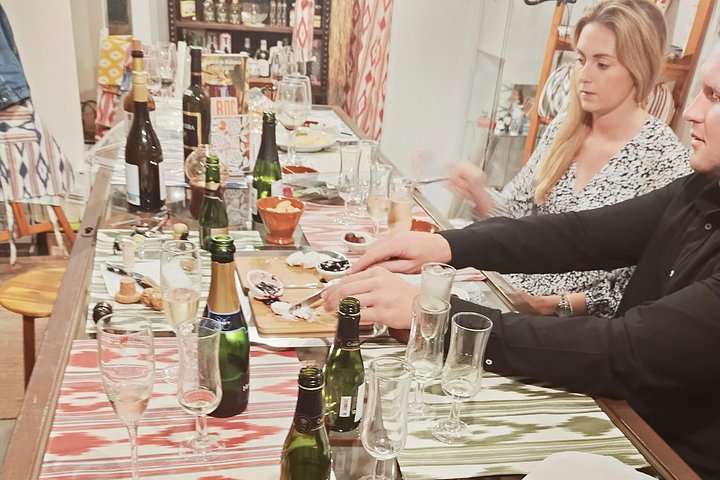
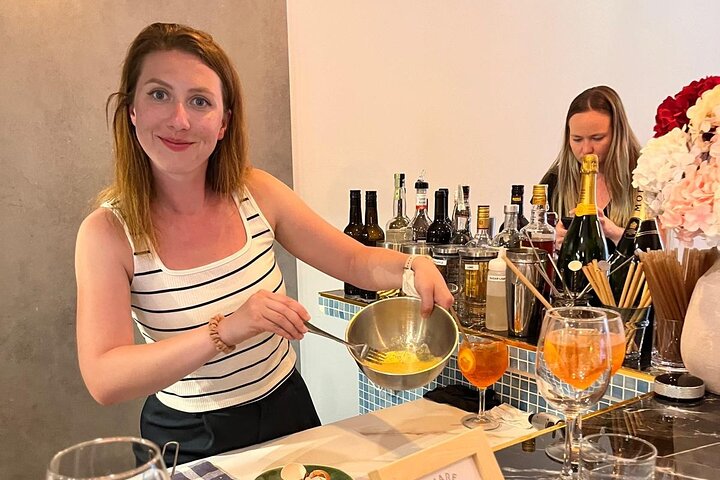
Prices are indicative from prices set by each provider. Booking happens on Viator. We earn a commission on bookings made through these links and the price for you stays the same.
Plan
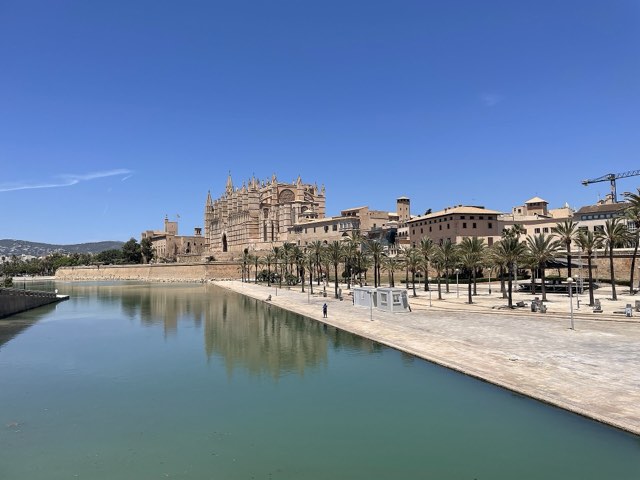
Palma sits on the south coast of Mallorca, on the Bay of Palma, and is the capital of the Balearic Islands. The cathedral known as La Seu, the Almudai
Open →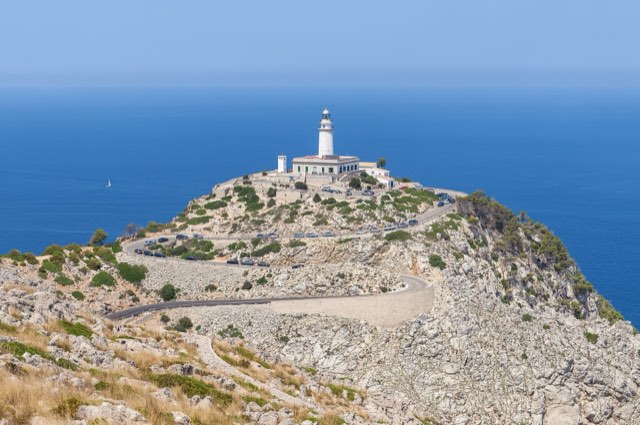
Mallorca, still spelled Majorca in some English guides, has far more to show than beaches. This overview sorts the main sights by region so you can pl
Open →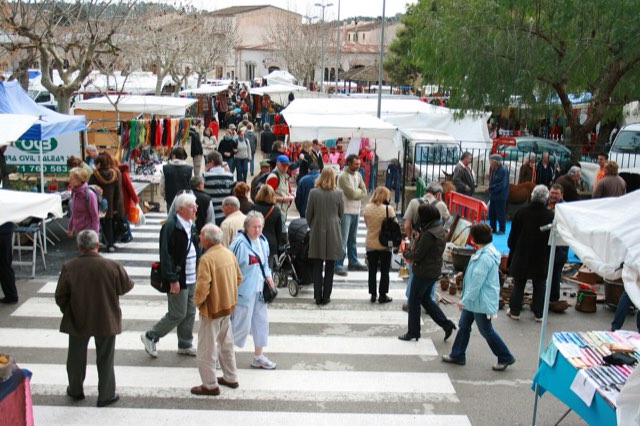
Almost every town in Mallorca has a fixed market day. This list follows the 2026 fairs and markets calendar of the Balearic government and names only
Open →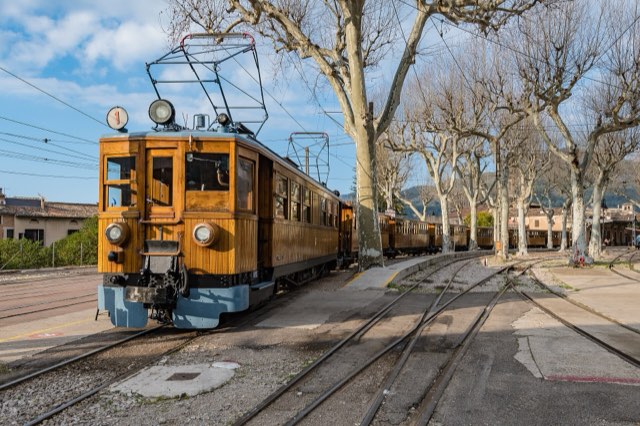
Here you will find bookable day trips and activities in Mallorca, sorted by theme and region. That way you can quickly see what fits your base and you
Open →
Mallorca works in every month of the year, but not every month suits every plan. The climate normals published for Palma by AEMET, the Spanish state w
Open →
Mallorca with kids is mainly a matter of short distances. If you stay close to a long sandy beach and plan two or three outings, you will have a relax
Open →